September 8, 2026
New Trade Tariffs Reach Everyday Goods That Markham Residents Buy and Sell
Canada's retaliatory tariffs on nearly C$28 billion of American goods took effect on 8 September 2026, covering hundreds of products at rates of 15, 25, or 50 per cent, while United States tariffs on Canadian goods remain in place.
Canada’s retaliatory tariffs on nearly C$28 billion of American goods took effect on 8 September 2026, covering hundreds of products at rates of 15, 25, or 50 per cent, while United States tariffs on Canadian goods remain in place.
According to reporting by the BBC, the Canadian measures follow the collapse of bilateral trade talks in late August and sit alongside existing United States duties on Canadian cars and trucks, steel, aluminium, lumber, dairy, alcohol, and other goods. Prime Minister Mark Carney has said Canada will diversify trade relationships and support affected workers, and that the pivot “will come at a cost.” Officials on both sides have said they would like a deal, but no new talks have been scheduled.
Markham feels this at more than one level. City economic materials describe a local base that includes advanced manufacturing, automotive technology, semiconductors, and a large retail and household market. That means the same dispute can touch a factory order book, a construction quote, a grocery bill, and a storefront at once. What we do not yet have, product category by product category, is a settled local playbook that says exactly how Markham households and firms should respond. The useful first step is to understand which categories are in play and what implications are already arriving.
Product categories that touch Markham
- Steel, aluminium, and building materials. Canadian counter-tariffs on many United States steel and aluminium products have risen to 50 per cent. Gypsum, plasterboard, glass containers, and related materials also appear on federal lists. For Markham, where construction and manufacturing suppliers are part of daily business life, that can mean higher input costs, longer lead times, or substitution toward other sources. The implication for residents is that project budgets and timelines may move before any political settlement does.
- Vehicles, parts, and industrial equipment. The United States already applies a 25 per cent tax on Canadian cars and trucks. Canada keeps a 25 per cent counter-tariff on finished American vehicles outside the free-trade rules, and the new list adds rates on items such as forklifts, moulds, tools, and some agricultural and handling equipment. Markham’s automotive technology and manufacturing employers, and residents shopping for vehicles or equipment, sit inside that two-way pressure. The implication is uncertainty in pricing and investment timing, not a single local recommendation.
- Household appliances and air conditioners. Many appliances face 25 per cent Canadian counter-tariffs; many air conditioners face 15 per cent. These are the kinds of purchases families and landlords make when a fridge fails or a heat wave arrives. The implication is higher sticker prices or delayed replacements if retailers pass costs through.
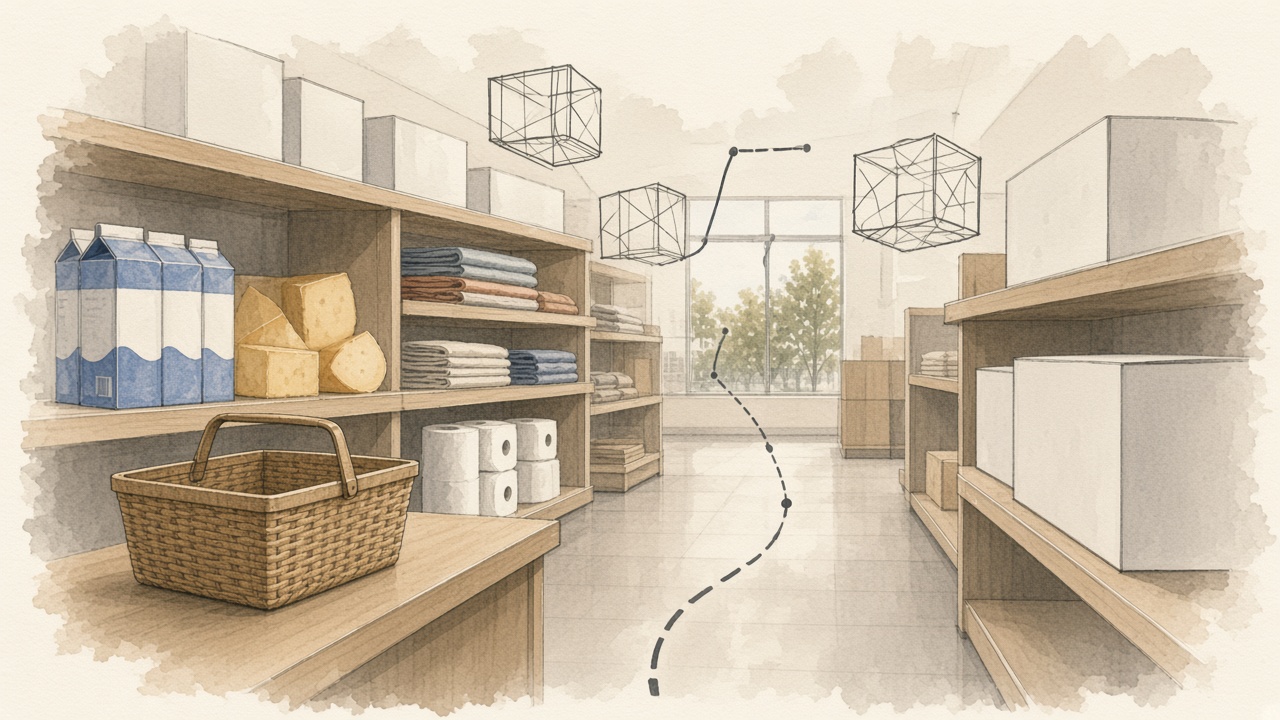
- Clothing, furniture, and paper goods. Clothing, apparel, and furniture face rates as high as 50 per cent on listed American goods; certain paper products and everyday household items also appear. Retailers and shoppers in Markham will see this as shelf-price and assortment questions. The implication is that some American brands may cost more, shrink in stock, or be swapped for other suppliers.
- Food, dairy, and alcohol. Cheese and related dairy products face 25 per cent on many lines; some dairy and food preparations face 50 per cent. Alcohol has been part of the wider dispute on both sides of the border. Grocery and hospitality businesses, and households buying weekly staples, are directly exposed. The implication is gradual pressure on food and beverage costs rather than an overnight change in every aisle.
- Electronics and connected devices. Federal summaries and trade reporting place smartphones and other electronics among sectors in focus. In a city with a dense technology cluster, that matters for both consumer devices and business equipment. The implication is another layer of cost and sourcing risk for firms that buy hardware as routinely as households do.
Economists quoted in the coverage warn that tariffs raise prices on everyday goods for consumers. The Canadian Chamber of Commerce has urged a careful approach to retaliation and said businesses are preparing for a dispute that may last. Canada has already adjusted parts of its own list, including seafood items, after industry pushback, which shows how quickly unintended effects can appear.
For now, this note does not advance a formal Markham opinion on what Ottawa or Washington should do next, and it does not prescribe a single response for every local sector. Different categories carry different risks, and the facts are still moving. My office will keep tracking the federal lists and how they land on Markham shelves, job sites, and employers, and I will report back as clearer local impacts become known. If your business or household is already seeing a concrete change, write to my office with the details so we can stay informed with you.
BBC News: Canada braces for prolonged trade war as counter-tariffs take effect